

Choosing Sensory Toys for Children with Autism
At Apara, we’ve seen how sensory toys can benefit children with autism by helping with sensory processing challenges such as being exposed to bright lights or loud noises. Sensory toys offer tactile, visual, and auditory stimulation, which helps regulate sensory input and supports focus during ABA therapy and other daily activities.
Sensory toys can provide calming effects that reduce distractions, helping your child feel more at ease and minimize overstimulation. They can also ease anxiety by giving your child a sense of control and predictability, promoting emotional stability.
Additionally, they encourage developmental growth by improving fine motor skills, hand-eye coordination, and cognitive abilities. Overall, they create a supportive space for your child to engage, explore, and develop skills tailored to their unique sensory needs.
What to Look for in Sensory Toys
When choosing sensory toys for your child with autism, it is important to consider durability, safety, and your child’s unique preferences. Toys should be non-toxic, easy to clean, and built to withstand frequent use.
Understanding your child’s sensory needs is important. Some children may prefer tactile stimulation, such as squishy toys or textured balls, while others might benefit from sound-based toys, like noise-making instruments or calming white noise machines. Visual stimulation can be addressed with toys like light-up or color-changing items. It’s essential to tailor toys to your child’s specific sensory needs to avoid overstimulation or frustration.
By understanding your child’s sensory preferences, you can select toys that offer the right balance of engagement, comfort, and developmental benefits.
Sensory Toys for Calming and Relaxation
Toys that are designed to calm children with autism are toys like weighted blankets/compression sheets, stress balls, and fidget spinners.
- Weighted blankets/compression sheets provide deep pressure, helping to soothe the nervous system and promote relaxation, making them ideal for bedtime or moments of anxiety. Some of our favorite weighted blankets/compressions are linked here: weighted blanket & compression sheets.
- Stress balls offer tactile stimulation, allowing children to release tension through squeezing, which helps with self-regulation. Some of our favorite stress balls are linked here: stress balls.
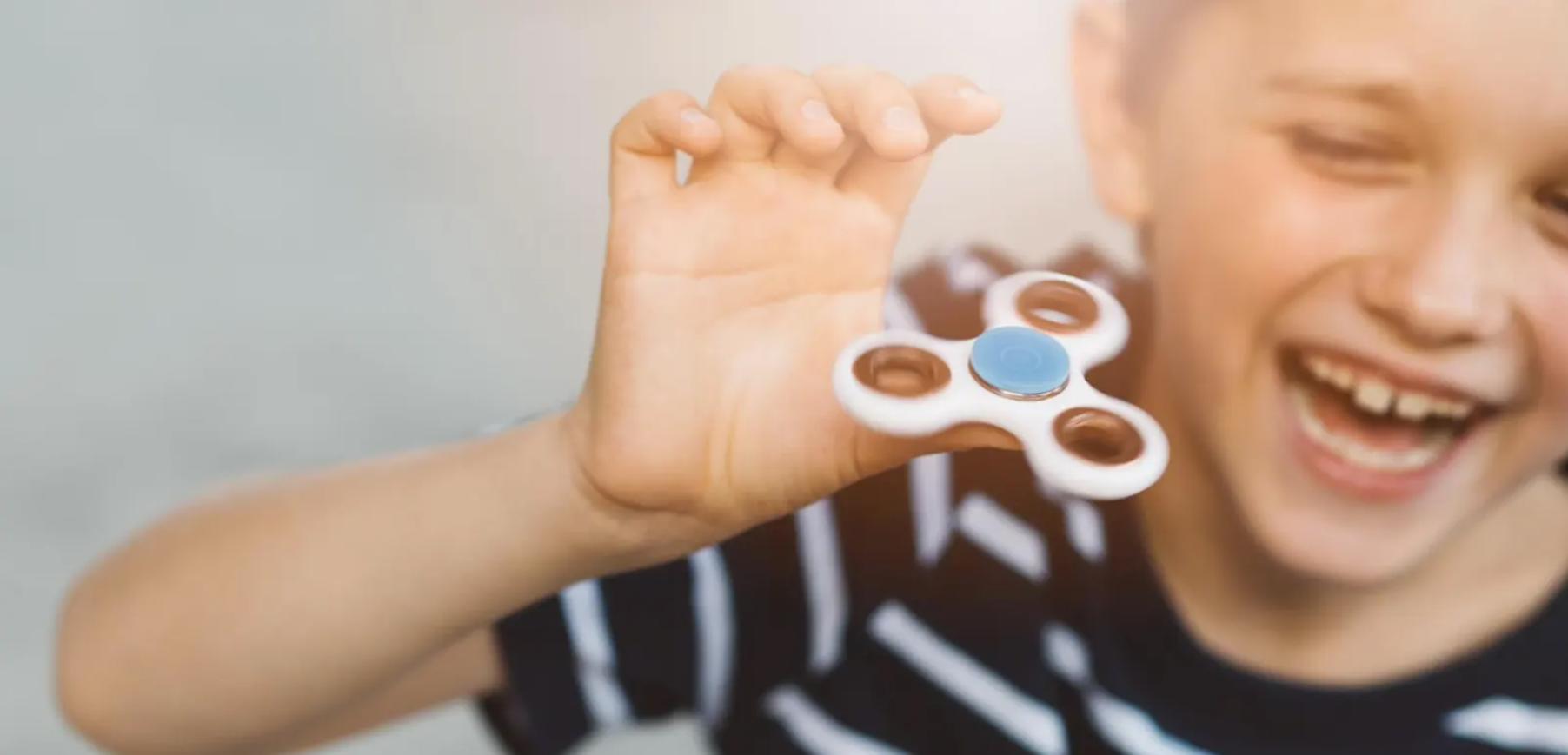
- Fidget spinners are portable and provide rhythmic motion, offering a focused distraction that can reduce restlessness and improve attention. Some of our favorite fidget spinners are linked here: fidget spinners.
These calming toys are effective in reducing overstimulation by providing consistent, predictable sensory input. This input can help your child feel grounded and prevent sensory overload. Additionally, such toys aid in improving focus by offering a simple, repetitive action that supports concentration, especially in environments that may otherwise be distracting.
To incorporate calming toys into daily routines, it’s important to introduce them during transitions or stressful situations, such as during homework or before appointments. Offering these toys at regular intervals throughout the day can help your child self-soothe when needed. Encourage your child to use them in calming spaces, like a quiet corner, to create a positive association.
Be mindful of their preferences and responses to the toys. It might take some time to get used to the adjustment. Your therapy providers can assist with incorporating toys at home.
Encourage Exploration and Development
Interactive toys like kinetic sand, sensory bins, and light-up toys are excellent for promoting sensory exploration in children with autism.
- Kinetic sand offers tactile stimulation, encouraging children to mold and shape the sand, which enhances fine motor skills and creativity. Some of our favorite kinetic sands are linked here: kinetic sand.
- Sensory bins filled with various textures (e.g., rice, beans, or foam) engage multiple senses, allowing children to explore through touch and sight. Some of our favorite sensory bins are linked here: sensory bins.
- Light-up toys, such as color-changing balls or LED boards, stimulate visual senses and encourage interactive play. Some of our favorite light-up toys are the light-up cubes linked below: light-up cube.
These toys foster creativity by creating the opportunity to experiment with different textures, shapes, and colors. As your child engages in imaginative play, they also develop problem-solving skills, figuring out how to manipulate objects or create structures.
Additionally, activities like building with kinetic sand or sorting objects in a sensory bin promote hand-eye coordination and motor skill development.
It is great to use these tools and play with your child. Try games like “sensory scavenger hunts” where your child can search for specific items in a sensory bin or “light-up color games” where they match colored toys to lights or patterns. These activities encourage engagement, boost cognitive abilities, and support sensory regulation while also providing a fun, interactive way to learn and grow.
Benefits of Gross Motor Sensory Toys
Toys that support physical activity, like sit and spins, balance boards, and therapy balls, are great for improving coordination and releasing pent-up energy. We like to utilize gross motor toys during therapy to help reduce overstimulation and provide physical input to the body to help children feel regulated and able to absorb information.
- Sit and spins encourage vestibular training, which builds coordination, balance, and motor skills. Some of our favorite sensory bins are linked here: sit and spin chair.
- Balance boards challenge stability, promoting core muscle development and coordination. Some of our favorite sensory bins are linked here: balance board.
- Therapy balls offer opportunities for strengthening muscles and improving posture through activities like sitting, bouncing, or rolling. Some of our favorite therapy balls are linked here: yoga ball & peanut ball.
These toys can help your child with autism develop physical coordination while providing a safe outlet for excess energy. In settings like ABA therapy, activities, like timed balance challenges or trampoline games, can teach focus and coordination. Your child will also be able to work towards free play where they can explore these toys at their own pace, discovering how their bodies move and reacting to different sensations.
Incorporating these toys into daily routines, such as using the balance board before sitting down for a task or bouncing on a therapy ball during breaks, can promote physical health and sensory regulation.
Tips for Making Sensory Play Effective
There are many ways to create an inviting sensory play space. Setting up a calm environment that is clutter-free, using soft lighting and comfortable seating, will help promote effective play for you and your child together.
When setting up the space, incorporate a variety of sensory toys, like textured objects, calming visuals, and interactive items, to engage different senses.
To keep playtime exciting, rotate toys regularly to maintain interest and prevent overstimulation. This will help your child encounter new sensory experiences without becoming overwhelmed or bored. Involving your child in choosing toys for the space helps them feel more invested in the playtime. Allow them to express preferences, guiding the selection of toys based on their sensory needs and interests.
This personalized approach creates a more enjoyable, engaging, and supportive space for exploration and growth.
The Importance of Sensory Toys for Children with Autism
Sensory toys are invaluable for helping children with autism thrive by supporting sensory regulation, improving focus, reducing anxiety, and fostering motor and cognitive development. These toys provide essential stimulation tailored to each child’s unique needs, promoting exploration and emotional well-being.
At Apara Autism Centers, we would be happy to consult with you for personalized guidance on what toys would be beneficial to your child.
We can recommend the right sensory tools and activities to integrate into therapy, home, and daily play, ensuring a supportive and enriching environment that fosters growth and development.
Please visit our website and navigate to the “Get Started” page and “Contact Us” page, or give us a call to get personalized care for your family and child’s needs.