

Social Skills Training for Autism
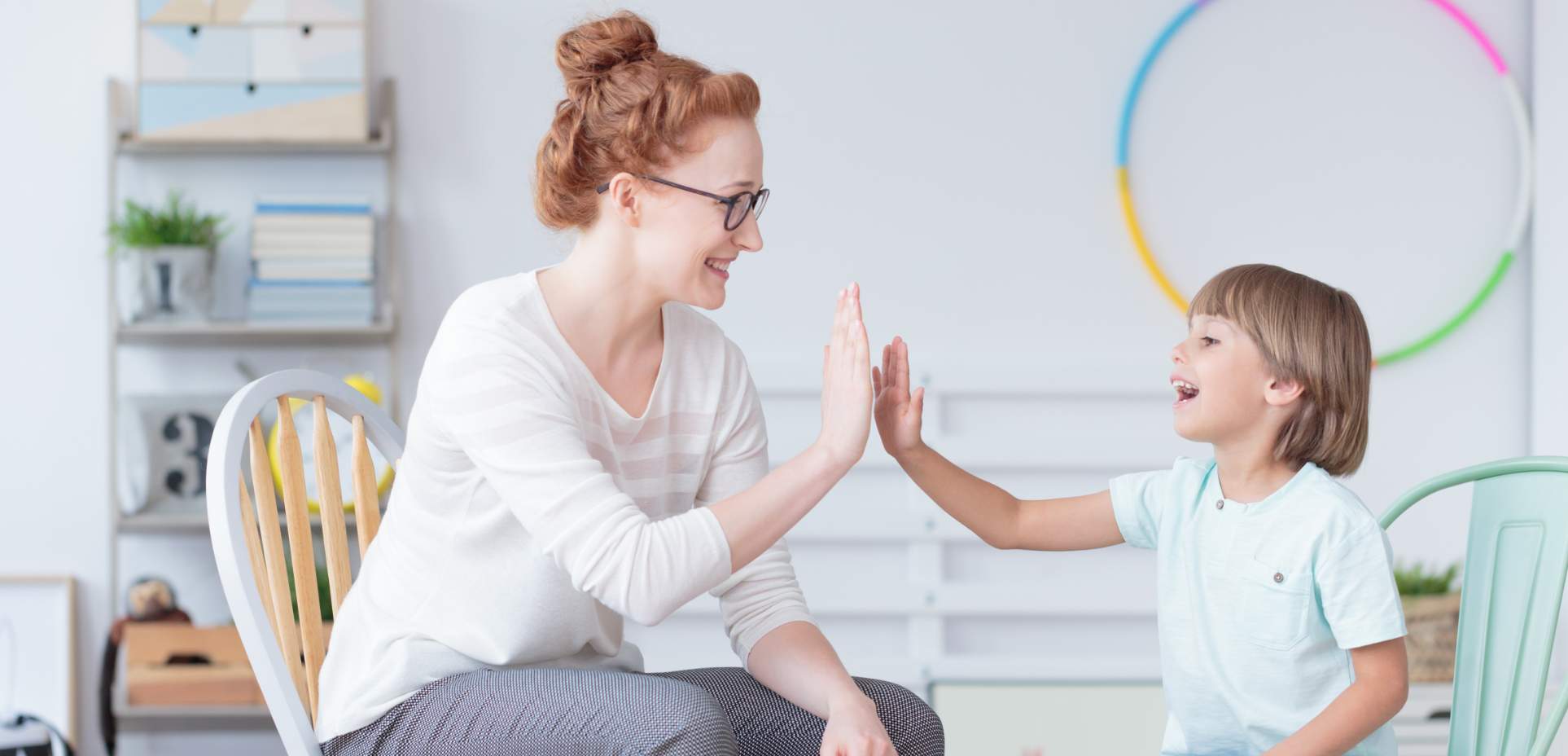
Why Social Skills Matter for Kids with Autism
Social situations do not always come naturally to children with autism. Navigating things like taking turns, reading body language and facial expressions, or figuring out how to join group activities can feel confusing or stressful. Social skills training helps break down these experiences into clear, teachable steps. With guided practice and the right support, children can build confidence and feel more at ease in everyday interactions like chatting with classmates or joining a game at recess.
By improving social skills, children not only enhance communication in the moment but also develop lifelong strengths such as self‑advocacy, problem‑solving, and the ability to form and maintain friendships.
2. What Is Social Skills Training?
Social skills training is a structured approach designed to help children learn and practice positive ways to interact with others. This includes skills like greetings, making eye contact, asking for help, turn taking, or starting a conversation.
Therapists typically lead these sessions in one-on-one or small group settings. They utilize teaching strategies such as modeling, role-playing, games, and repetition to reinforce learning and help these skills to stick. Additionally, real-time feedback helps children understand what works and how to adjust appropriately.
As the training progresses, sessions can focus on more advanced skills such as cooperative play, understanding jokes, and managing frustrations. Every session is tailored to each child’s unique needs, interests, and personality.
The goal of social skills is to give the children the tools they need to communicate in ways that is natural to them, not to force them to act a certain way. When social skills training is tailored to a child’s unique personality and needs, it empowers them to navigate the world on their own terms.
3. Common Social Skills Goals for Autism
Every child has different social needs and their social skills goals should reflect that. Factors like age, language level, developmental level, and current strengths should all play a role in shaping the goals for your child. Social goals can vary from learning how to join in on group activities to understanding when someone is upset.
Some common areas of focus include initiating and maintaining conversations, responding to social cues, engaging in cooperative play, understanding personal space, recognizing emotions, and coping with challenges like losing a game, getting teased or being left out. These skills are critical for building positive relationships and feeling connected to others in everyday situations. Children can utilize these skills across different environments including at school, in the community, and at home.
The best and most effective goals are those that are functional, realistic, and broken down into clear and manageable steps. Instead of aiming for perfection, progress is the priority. That may mean a child starts waving to a classmate or waits their turn during a board game. Every step forward, no matter how small, will build momentum.
4. How Social Skills Training Is Taught
Social skills can be taught in a variety of ways including ABA (Applied Behavioral Analysis) therapy and speech therapy. In ABA therapy, social skills may be taught in both individualized sessions and group-based programs. Group sessions are especially valuable because they allow children to practice interactions with peers in a supportive and guided setting.
Therapists often use tools like games, visual prompts, video modeling and social stories to make the learning engaging and clear. Utilizing positive reinforcement, such as reward or token systems, helps to motivate children and encourage consistent use of these new behaviors. Repetition and routine are key components in helping skills stick.
Learning does not end after the therapy session is over. The most meaningful progress is often made when skills are being reinforced at home and in the community. Children learn best when skills are practiced regularly and reinforced in different environments, when the skills are generalized. That is why family involvement is so important. Therapists often coach parents and caregivers on how to support their child’s social growth. With consistent practice across multiple settings, children are more likely to use these skills naturally and with confidence.
5. Making Social Skills Practice Part of Everyday Life
Therapy sessions lay the foundation for social skills learning, but they continue throughout the day. Social learning opportunities happen at home, in school, and on the playground. Give your child chances to interact in low pressure situations and take the opportunity to practice naturally. This might be helping a sibling clean a messy room, ordering food when you go out to eat, or greeting a neighbor. Use gentle prompting before the social interaction and reinforce the effort, not just the results. Everyday moments like shopping, waiting in line, talking on the phone are opportunities to reinforce communication. These are natural moments perfect for practice.
These small, consistent experiences can help your child feel more confident in a variety of social settings. With your support and encouragement, social growth becomes a natural part of the daily routine.
6. Signs of Progress to Watch For
Sometimes progress in social skills can be seen in small moments. These small changes can look like your child making more eye contact, asking more questions, choosing to join in on a group activity without being prompted, or wanting to stay longer during those group activities. You might notice they bounce back faster after mistakes and awkward social situations, or they seem more comfortable in conversations.
These changes may seem subtle, but they are meaningful and matter. They show that your child is learning, growing, and becoming more comfortable navigating social situations. It is important to celebrate every step, no matter how small. Praise every conversation exchange, every time they self-advocate, all independent questions, and every time your child participates. Progress does not always look like a big leap but is often a series of small, steady changes. Each step forward, no matter how tiny it may seem, is worth acknowledging and encouraging.
7. What to Ask a Therapist About Social Skills Training For Autism
Before beginning social skills training, it is important for parents to feel confident in the process. Here are some questions to ask your child’s therapist:
- How are goals set and tracked?
Are they individualized, measurable, and regularly reviewed? - What methods are used to teach skills?
Do they use role-play, social stories, or video modeling? - How can we practice at home?
Will there be a provided social script, strategies, or materials for practice?
A supportive therapist will value your involvement, tailor strategies to your child’s unique strengths, and maintain open communication to ensure you feel confident in your child’s growth both in sessions and at home.
8. Empowering Connections Through Social Skills Training for Autism
Social skills training helps children with autism build stronger connections and feel more confident in everyday interactions. It’s not about changing who they are but about helping them express who they are more clearly. With the right support, consistent practice, and collaboration between families and therapists, children can build the confidence and skills they need to connect with others in their own authentic way.
If you would like to learn more about creating meaningful social skills goals for your child, reach out to Apara Autism Centers. We are here to support you every step of the way.